How the glass harp makes its sound
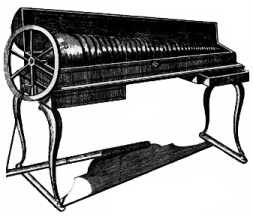
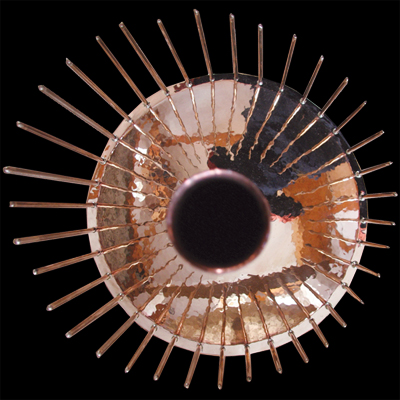
In the Hornbostel–Sachs system, which classifies instruments by how they produce sound, the glass harp belongs to the friction idiophones: the body is rubbed – the glass harmonica, singing bowls and the musical saw.
More broadly it is one of the idiophones, where the solid body of the instrument itself vibrates, without strings or a stretched membrane.
Its timbre – the colour that lets you tell it apart from other instruments playing the same note – comes from the mix of overtones its body and resonator emphasise.
From Wikipedia
A glass harp (also called musical glasses, singing glasses, angelic organ, verrillon or ghost fiddle) is a musical instrument made of upright wine glasses.
It is played by running moistened or chalked fingers around the rim of the glasses. Each glass is tuned to a different pitch, either by grinding each goblet to the specified pitch, in which case the tuning is invariable, or by filling the glass with water until the desired pitch is achieved. Adding water causes the pitch to go down. Each glass model may have its pitch lowered by a fourth or even larger interval.
Other friction idiophones




Frequently asked questions
What does a glass harp sound like?
As one of the friction idiophones, its sound comes from the way the body is rubbed.
What type of instrument is the glass harp?
It is classified as friction idiophones (Hornbostel–Sachs 133.2).
Sources & credits
- Wikidata Q48230 – CC0
- Wikipedia: Glass harp – CC BY-SA 4.0
- Image by Raimond Spekking – CC BY-SA 4.0