How the dulcian makes its sound
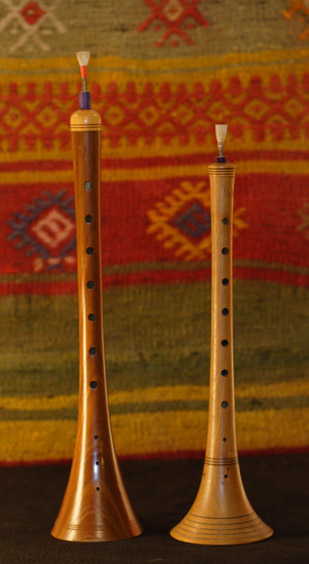
In the Hornbostel–Sachs system, which classifies instruments by how they produce sound, the dulcian belongs to the double-reed instruments: two reeds beat against each other – oboes, bassoons, shawms and the duduk.
More broadly it is one of the aerophones (wind instruments), where sound comes from vibrating air.
Its timbre – the colour that lets you tell it apart from other instruments playing the same note – comes from the mix of overtones its body and resonator emphasise.
From Wikipedia
The dulcian is a Renaissance woodwind instrument, with a double reed and a folded conical bore. Equivalent terms include English: curtal, German: Dulzian, French: douçaine, Dutch: dulciaan, Italian: dulciana, Spanish: bajón, and Portuguese: baixão.
The predecessor of the modern bassoon, it flourished between 1550 and 1700, but was probably invented earlier. Towards the end of this period it co-existed with, and was then superseded by, the baroque bassoon. It was played in both secular and sacred contexts, throughout northern and western Europe, as well as in the New World.
Other double-reed instruments




Frequently asked questions
What does a dulcian sound like?
As one of the double-reed instruments, its sound comes from the way two reeds beat against each other.
What type of instrument is the dulcian?
It is classified as double-reed instruments (Hornbostel–Sachs 422.112).
Sources & credits
- Wikidata Q911038 – CC0
- Wikipedia: Dulcian – CC BY-SA 4.0
- Image by Original uploader and author is HansMons at en.wikipedia – CC BY 2.5