How the launeddas makes its sound
In the Hornbostel–Sachs system, which classifies instruments by how they produce sound, the launeddas belongs to the single-reed instruments: a single reed beats against a mouthpiece – clarinets and saxophones.
More broadly it is one of the aerophones (wind instruments), where sound comes from vibrating air.
Players shape its sound through technique and materials; the resonating body filters the raw vibration, boosting some harmonics and damping others.
From Wikipedia
The launeddas (also called Sardinian triple clarinet) are a traditional Sardinian woodwind instrument made of three pipes, each of which has an idioglot single reed. They are a polyphonic instrument, with one of the pipes functioning as a drone and the other two playing the melody in thirds and sixths.
Predecessors of the launeddas are found throughout Northern Africa and the Middle East. In 2700 BCE, the Egyptian reed pipes were originally called "memet"; during the Old Kingdom of Egypt (2778–2723 BCE), memets were depicted on the reliefs of seven tombs at Saqqara, six tombs at Giza, and the pyramids of Queen Khentkaus.
Other single-reed instruments


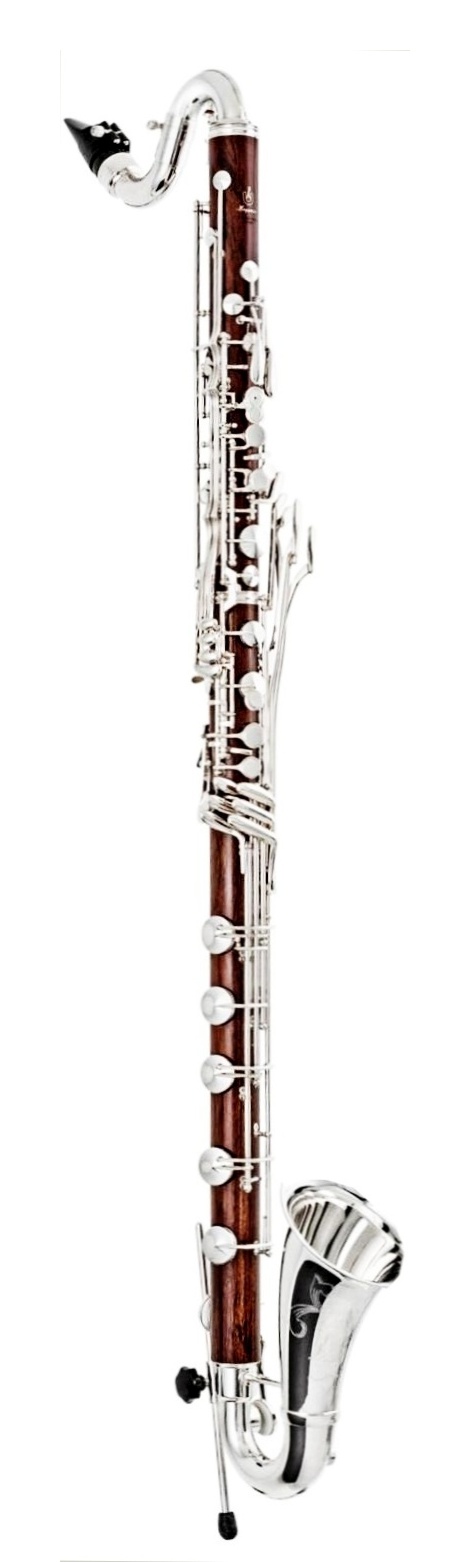


More instruments from Italy


Frequently asked questions
What does a launeddas sound like?
As one of the single-reed instruments, its sound comes from the way a single reed beats against a mouthpiece.
What type of instrument is the launeddas?
It is classified as single-reed instruments (Hornbostel–Sachs 422.22).
Where does the launeddas come from?
The launeddas originates from Italy.
Sources & credits
- Wikidata Q1543785 – CC0
- Wikipedia: Launeddas – CC BY-SA 4.0
- Image by Gianni Careddu – CC BY-SA 4.0