How the zampogna makes its sound
In the Hornbostel–Sachs system, which classifies instruments by how they produce sound, the zampogna belongs to the double-reed instruments: two reeds beat against each other – oboes, bassoons, shawms and the duduk.
More broadly it is one of the aerophones (wind instruments), where sound comes from vibrating air.
Its timbre – the colour that lets you tell it apart from other instruments playing the same note – comes from the mix of overtones its body and resonator emphasise.
From Wikipedia
Zampogna is a generic term for a number of Italian double chantered bagpipes that can be found throughout areas in Latium. The tradition is now mostly associated with Christmas, and the most famous Italian carol, "Tu scendi dalle stelle", is derived from traditional zampogna music. However, there is an ongoing resurgence of the instrument in secular use seen with the increasing number of folk music festivals and folk music every December by Italian ensembles.
Other double-reed instruments


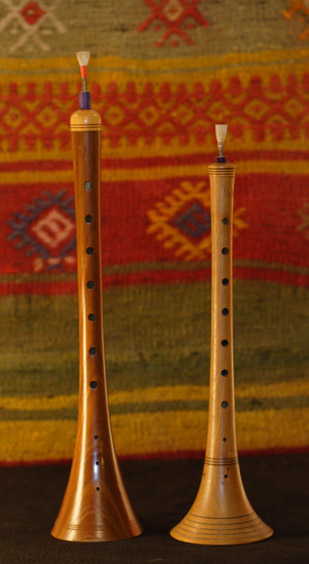


More instruments from Italy


Frequently asked questions
What does a zampogna sound like?
As one of the double-reed instruments, its sound comes from the way two reeds beat against each other.
What type of instrument is the zampogna?
It is classified as double-reed instruments (Hornbostel–Sachs 422.122-7+422.122-62).
Where does the zampogna come from?
The zampogna originates from Italy.
Sources & credits
- Wikidata Q145971 – CC0
- Wikipedia: Zampogna – CC BY-SA 4.0
- Image by Joe Lewis from Danville, California – CC BY-SA 2.0