How the sarrusophone makes its sound
In the Hornbostel–Sachs system, which classifies instruments by how they produce sound, the sarrusophone belongs to the double-reed instruments: two reeds beat against each other – oboes, bassoons, shawms and the duduk.
More broadly it is one of the aerophones (wind instruments), where sound comes from vibrating air.
Its timbre – the colour that lets you tell it apart from other instruments playing the same note – comes from the mix of overtones its body and resonator emphasise.
From Wikipedia
The sarrusophones are a family of metal double reed conical bore woodwind instruments patented and first manufactured by French instrument maker Pierre-Louis Gautrot in 1856. Gautrot named the sarrusophone after French bandmaster Pierre-Auguste Sarrus (1813–1876), whom he credited with the concept of the instrument, though it is not clear whether Sarrus benefited financially. The instruments were intended for military bands, to serve as replacements for oboes and bassoons which at the time lacked the carrying power required for outdoor marching music. Although originally designed as double-reed instruments, single-reed mouthpieces were later developed for use with the larger bass and contrabass sarrusophones.
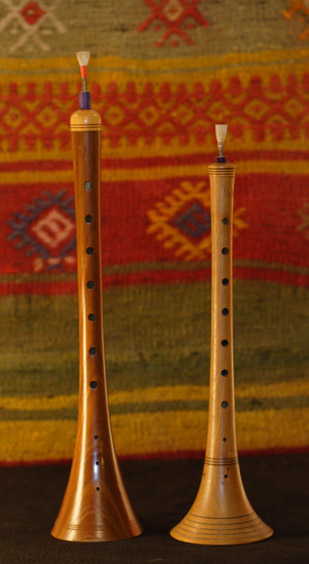
Other double-reed instruments




Frequently asked questions
What does a sarrusophone sound like?
As one of the double-reed instruments, its sound comes from the way two reeds beat against each other.
What type of instrument is the sarrusophone?
It is classified as double-reed instruments (Hornbostel–Sachs 422.112).
Sources & credits
- Wikidata Q901239 – CC0
- Wikipedia: Sarrusophone – CC BY-SA 4.0
- Image by Creator:Gautrot-Marquet – CC0 1.0