How the Surma-horn makes its sound
In the Hornbostel–Sachs system, which classifies instruments by how they produce sound, the Surma-horn belongs to the double-reed instruments: two reeds beat against each other – oboes, bassoons, shawms and the duduk.
More broadly it is one of the aerophones (wind instruments), where sound comes from vibrating air.
Its timbre – the colour that lets you tell it apart from other instruments playing the same note – comes from the mix of overtones its body and resonator emphasise.
From Wikipedia
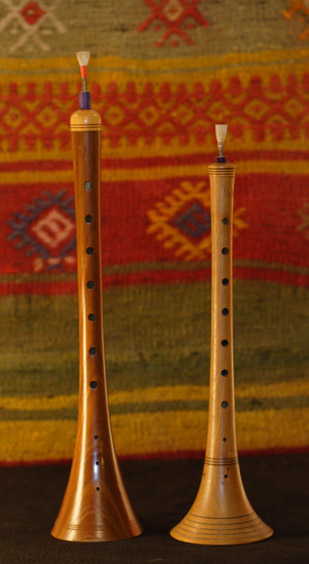
The Ukrainian surma (Ukrainian: Сурма) is a type of shawm that had widespread use in the armies of the Cossack host. It is thought that the instrument was introduced into Ukraine from the Caucasus or Turkey where the similar instruments exist with related names such as zurna and surnai.
The term is also often used to describe a type of wooden trumpet.
Other double-reed instruments




Frequently asked questions
What does the Surma-horn sound like?
As one of the double-reed instruments, its sound comes from the way two reeds beat against each other.
What type of instrument is the Surma-horn?
It is classified as double-reed instruments (Hornbostel–Sachs 422.112).