How the khol makes its sound
In the Hornbostel–Sachs system, which classifies instruments by how they produce sound, the khol belongs to the struck drums: a stretched membrane (drumhead) is struck with hands or beaters.
More broadly it is one of the membranophones (drums), where sound comes from a vibrating stretched membrane.
Its timbre – the colour that lets you tell it apart from other instruments playing the same note – comes from the mix of overtones its body and resonator emphasise.
From Wikipedia
The khol is a terracotta two-sided drum used in northern and eastern India for accompaniment with devotional music (bhakti). It is also known as a mridanga (< Sanskrit mṛd + aṅga, lit. 'clay limb'), not to be confused with mridangam. It originates from the Indian states of Odisha, West Bengal, Assam and Manipur. The drum is played with palms and fingers of both hands.
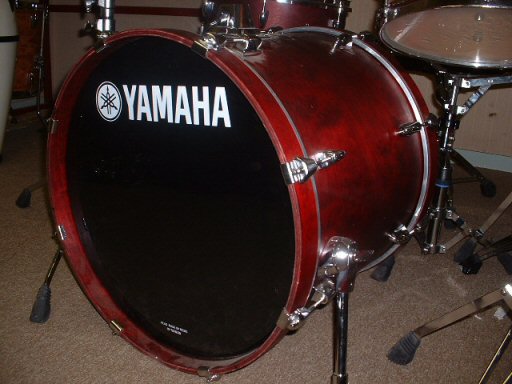
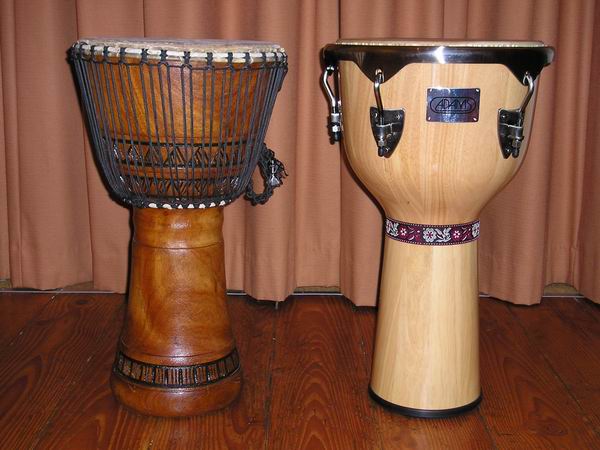
Other struck drums



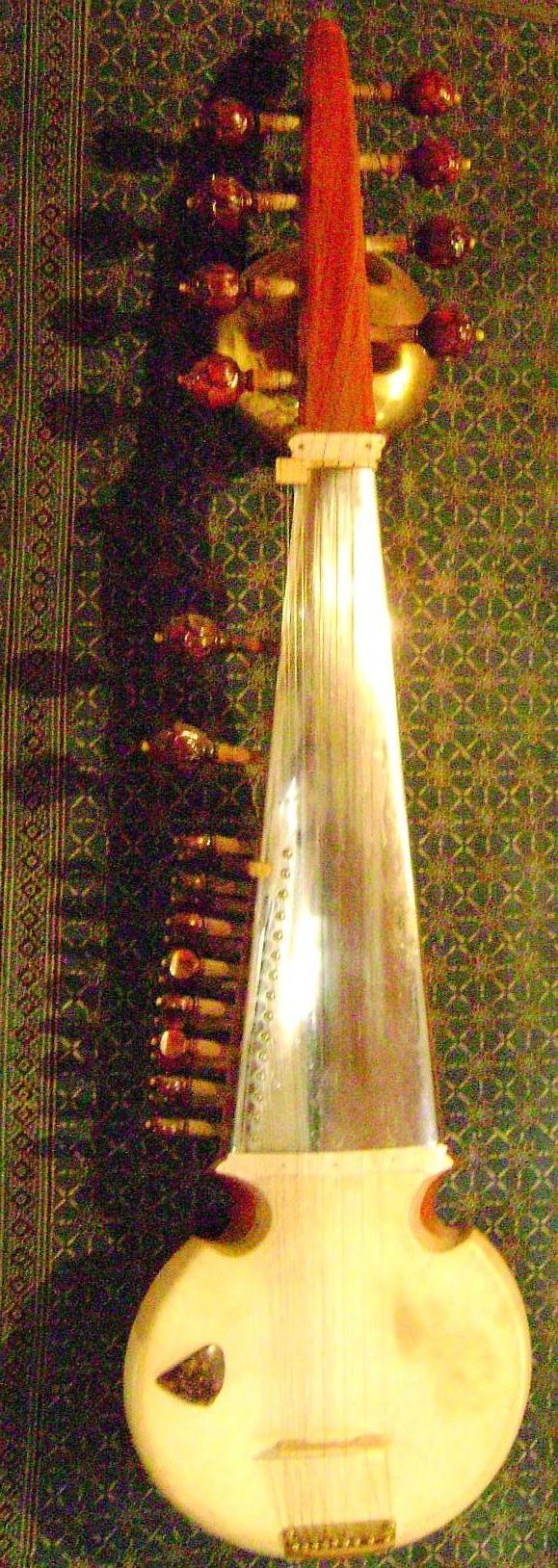
More instruments from India




Frequently asked questions
What does a khol sound like?
As one of the struck drums, its sound comes from the way a stretched membrane (drumhead) is struck with hands or beaters.
What type of instrument is the khol?
It is classified as struck drums (Hornbostel–Sachs 211.23).
Where does the khol come from?
The khol originates from India.
Sources & credits
- Wikidata Q1436500 – CC0
- Wikipedia: Khol – CC BY-SA 4.0
- Image by No machine-readable author provided. Catrin assumed (based on copyright claims). – CC BY-SA 3.0