How the tarpu makes its sound
In the Hornbostel–Sachs system, which classifies instruments by how they produce sound, the tarpu belongs to the single-reed instruments: a single reed beats against a mouthpiece – clarinets and saxophones.
More broadly it is one of the aerophones (wind instruments), where sound comes from vibrating air.
Players shape its sound through technique and materials; the resonating body filters the raw vibration, boosting some harmonics and damping others.
From Wikipedia
Tarpa (Marathi: तारपा) is a tribal instrument originating from Western India. It is a wind instrument, played by blowing into a reservoir chamber that is connected to two bamboo pipes which are attached to a resonating chamber. The makers and players of this instrument primarily belong to the Warli tribe of Maharashtra and Gujarat. The Tarpa, alongside the Dhol is the primary instrument played at Warli gatherings and festivities. Other associated aspects of Warli life and culture pay heed to the Tarpa playing a significant role for the community- the dance form performed with the music of the instrument, is also referred to as Tarpa-dance, and the Tarpa event is a prominent motif featured in Warli paintings.
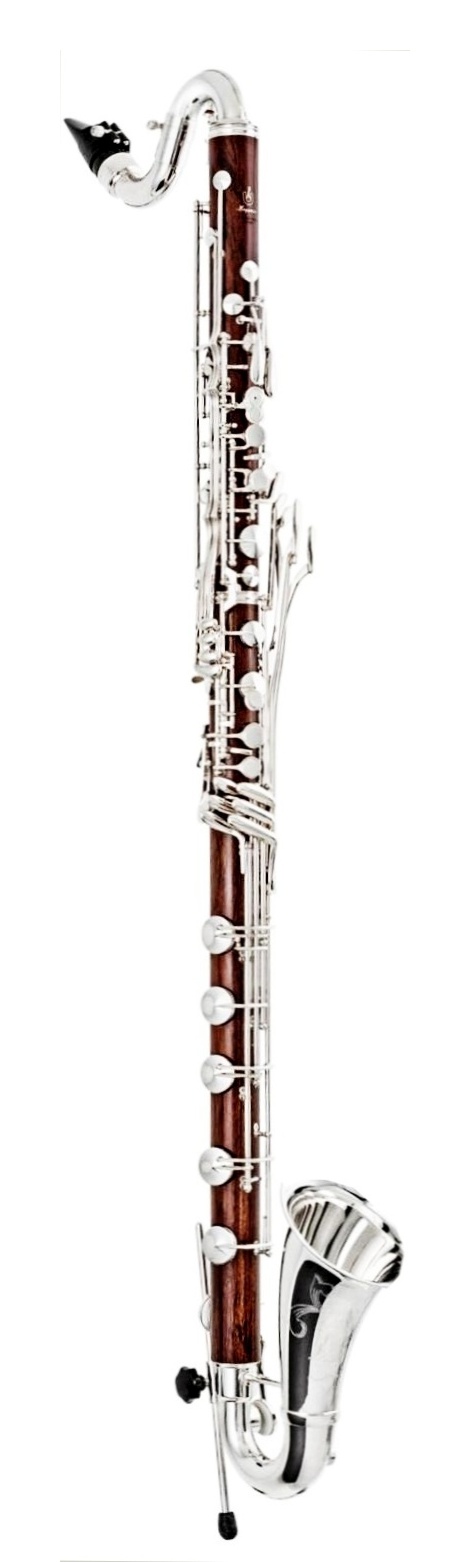
Other single-reed instruments




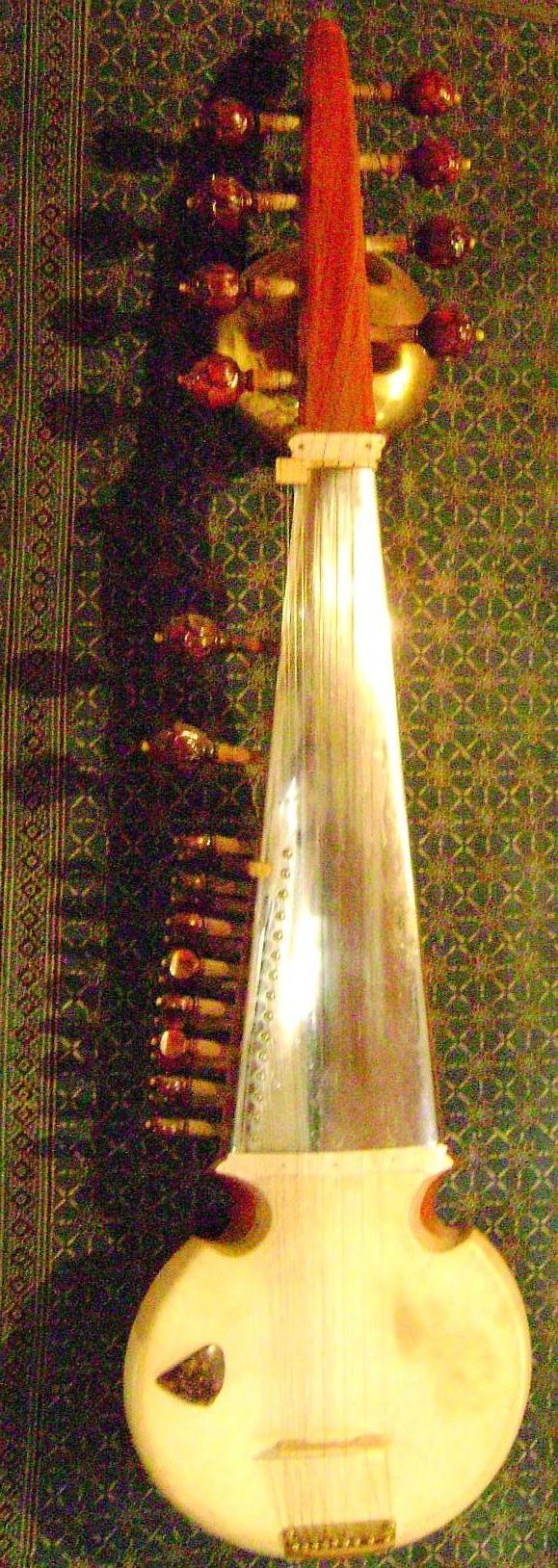
More instruments from India



Frequently asked questions
What does a tarpu sound like?
As one of the single-reed instruments, its sound comes from the way a single reed beats against a mouthpiece.
What type of instrument is the tarpu?
It is classified as single-reed instruments (Hornbostel–Sachs 422.22).
Where does the tarpu come from?
The tarpu originates from India, Gujarat and Maharashtra.
Sources & credits
- Wikidata Q2394517 – CC0
- Wikipedia: Tarpa (instrument) – CC BY-SA 4.0
- Image by António Lopes Mendes – Public domain